Data can outlive
its protection.
In a “harvest now, decrypt later” scenario, an adversary retains encrypted data for possible future decryption. Information with a long confidentiality lifetime deserves early attention.
Quantum readiness starts with the value and lifetime of your information — not with a prediction of the day a quantum computer will break today’s cryptography.
A sufficiently capable quantum computer could undermine widely used public-key cryptography. The practical question is where your organisation depends on it, and how long change will take.
In a “harvest now, decrypt later” scenario, an adversary retains encrypted data for possible future decryption. Information with a long confidentiality lifetime deserves early attention.
Certificates, software signatures, identity services and firmware depend on public-key trust. Their transition requires lifecycle planning, compatibility and verification.
Applications, infrastructure, suppliers and embedded systems move at different speeds. A roadmap must account for procurement, renewal cycles and operational constraints.
We frame quantum risk around the information you protect, the trust your services require and the time you need to change.

Post-quantum cryptography uses algorithms designed to resist attacks from classical and quantum computers. You do not need a quantum computer to deploy PQC.
QKD relies on quantum communication mechanisms and specialised infrastructure. It is not a general replacement for PQC migration across applications, signatures and digital identities.
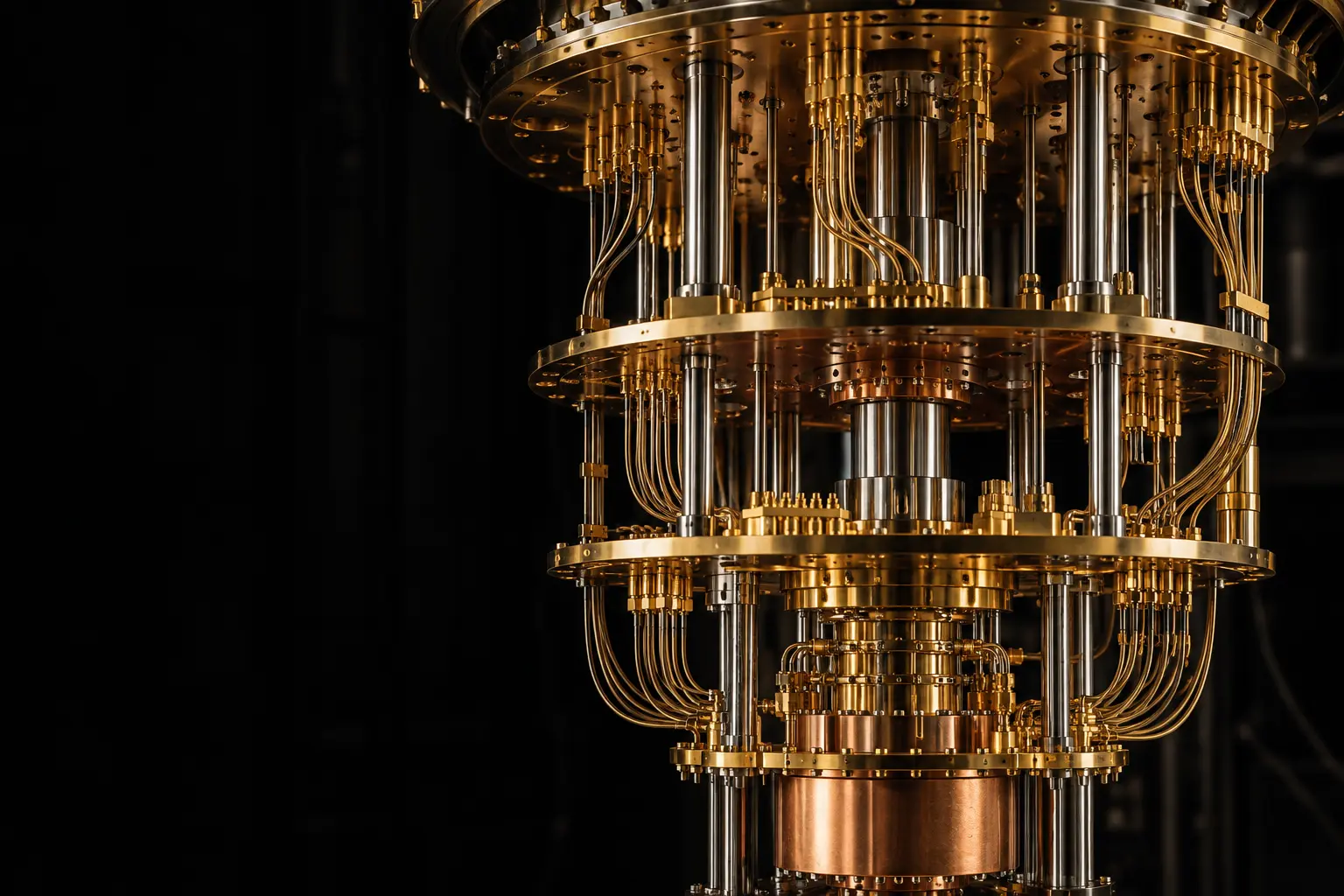
Our offering centres on quantum-security advisory, cryptographic risk, migration planning and implementation assurance. The imagery on this website illustrates the technology context; it does not represent hardware manufactured or facilities operated by Cynera.
Technical context from NIST (opens in a new tab)Start with the data, systems and dependencies that matter most to your organisation.